
Did you know that roughly one in three people with ADHD may also experience depression at some point in their lives? Depression can lead to persistent feelings of sadness, emptiness, or irritability and can significantly affect daily life. Common symptoms include a loss of interest in activities, fatigue, and changes in sleep or appetite. Some people describe feeling disconnected from others, numb to their own experiences, or restless and agitated.
Temporary sadness, such as grief after losing a loved one or disappointment after a setback, is different from depression. If these feelings last for more than two weeks, professional support is recommended.
Depression and ADHD can exist together in different ways. For some, they are separate conditions. For others, the challenges of ADHD, such as low self-esteem, difficulty managing responsibilities, or feeling constantly overwhelmed, can contribute to depression.
For example, a student struggling to complete assignments may worry about future job performance, finances, or family life. A parent managing multiple responsibilities may feel unable to succeed in any area, leading to feelings of hopelessness or depression.
ADHD and depression can sometimes be confused. People with ADHD may experience sadness, frustration, or emptiness when bored or understimulated, which can look like depressive symptoms.
A key difference is that depression causes a consistent loss of interest in activities once enjoyed, whereas ADHD-related low mood may change depending on the situation or stimulation. Context and pattern of symptoms are essential for accurate diagnosis.
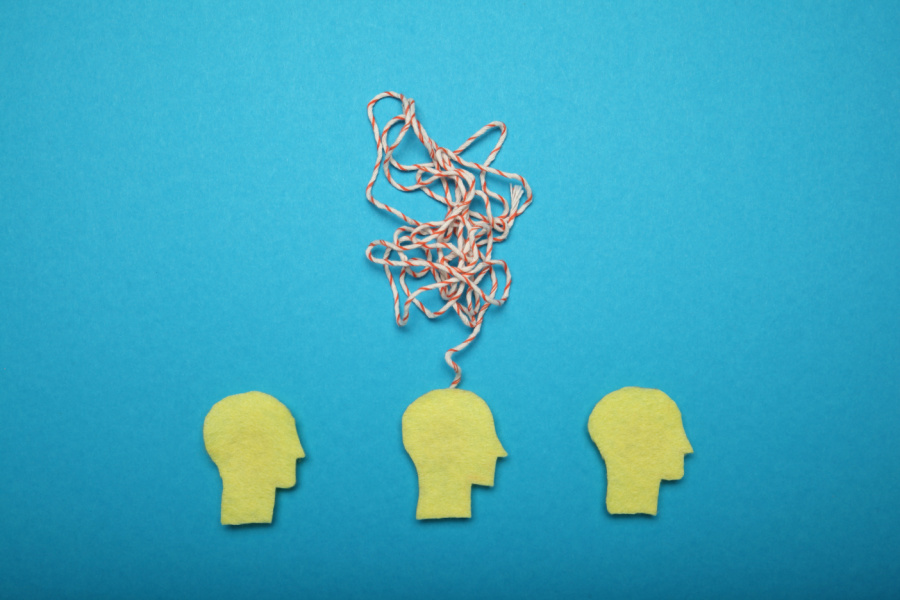
Depression is not the only condition that often occurs alongside ADHD. Many people with ADHD also experience:
Children with ADHD may also face higher risks of abuse or neglect. These factors can contribute to long-term mood challenges and increase the likelihood of depression. Research also shows that individuals with ADHD and depression are at higher risk of suicidal thoughts or behaviors compared to those with depression alone, often influenced by impulsivity.
Treatment that addresses both ADHD and depression tends to be most effective. Common strategies include:
Working with a mental health professional is key to tailoring treatment. Having a crisis plan and ongoing support system can further support safety and well-being.
Understanding the connection between ADHD and depression can help individuals access the right support and strategies to improve mental health, manage responsibilities, and increase overall quality of life.
%20(3).webp)


